ESG gives momentum to Korean activist funds
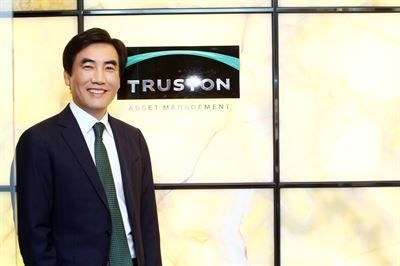
Truston Asset Management Chairman Hwang Sung-taek / Courtesy of Truston Asset Management
By Park Jae-hyuk
The global trend of investors considering environmental, social and corporate governance (ESG) factors has provided a basis for domestic activist fund managers to meddle with the management of companies in which they invested.
In most cases, institutional investors have excluded companies falling short of ESG standards from their investment portfolios, but local asset managers have bet on such companies with the aim of enhancing their sustainability through aggressive shareholder engagements.
The latest example was Truston Asset Management changing the purpose of its ESG Level-Up Fund's investment in BYC to “management participation” from “general investment,” Thursday, citing its intention to improve the underwear maker's governance structure for the sake of its shareholders.
As the second-largest shareholder with an 8.13 percent stake, Truston said it would send an official letter to BYC because its management has remained reluctant to work on improving its corporate value, despite their unofficial talks over the past year.
On the day of the announcement, BYC's stock price hit the daily price ceiling of 543,000 won ($457), although it fell 13.44 percent to 470,000 won during trading on Friday.
KCGI CEO Kang Sung-boo, who is well-known for his previous managerial dispute with Hanjin Group Chairman Cho Won-tae, established an activist fund management firm named K Global Asset Management earlier this year, coming up with an ESG-themed fund for shareholder activism intended to improve the governance structures of Korean companies.
Lee Chai-won, who introduced the investment paradigm of “value investing” to the Korean market, also created an ESG-themed private equity fund after joining Life Asset Management as its board chairman in June.