ABL Bio retains workers via strong employee stock option plan
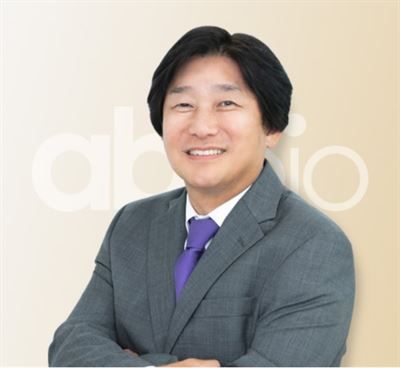
ABL Bio CEO Lee Sang-hoon
By Lee Kyung-min
ABL Bio, a Seongnam-based biotech research company, spends about 12 billion won ($10 million) a year to finance its employee stock option plan, a strategy intended to help the company grow and to ensure it retains skilled employees, according to industry sources Friday.
The firm, which focuses on the development of therapeutic drugs for immuno-oncology and neurodegenerative disease, uses the plan as a part of its employee benefit scheme whereby workers are encouraged to own firm shares, thereby acquiring an ownership stake. Shares are given at a rate far cheaper than the market price, helping to motivate employees as the growth of the company will result in a share price hike.
The firm began strengthening the plan in February 2017, less than a year after it was set up in 2016 by Lee Sang-hoon, the former head of the bio division at Hanwha Chemical. All workers received 21,000 ordinary shares each on Aug. 19, with a price of 33,720 won, as part of a 12 billion won plan this year. The firm spent 6.7 billion won in the first half.
More than 1.69 million shares were given to workers in 2019 after the firm was listed on the KOSDAQ, following 1.67 million shares given in 2018. The annual salary of each worker averaged 65 million won before tax in 2019, somewhat greater than that of industry peers at 20 other companies whose median figures were around 57 million won.
Five outside directors received a combined 2 billion won in salary, while the board member Lee and another senior executive received a combined 7.1 billion won last year. Eighty-three workers were in full-time positions, as of June, up from 76 six months earlier.
The firm believes employee morale will be boosted given the share price of around 30,000 won is far higher than the offered price of 910 won in 2017. Yet workers can sell only a designated amount of shares in stages through February 2026, a policy put in place to ensure they stay longer at the firm.
The workers have sold over 1.6 million shares as of June, accounting for 91.7 percent of the total.
The figure of the remaining 8.3 percent untraded is the highest by a wide margin compared to its industry peer Mezzion that has seen the figure at 4.8 percent, the second-highest in the market.