FTC urged to promote competition
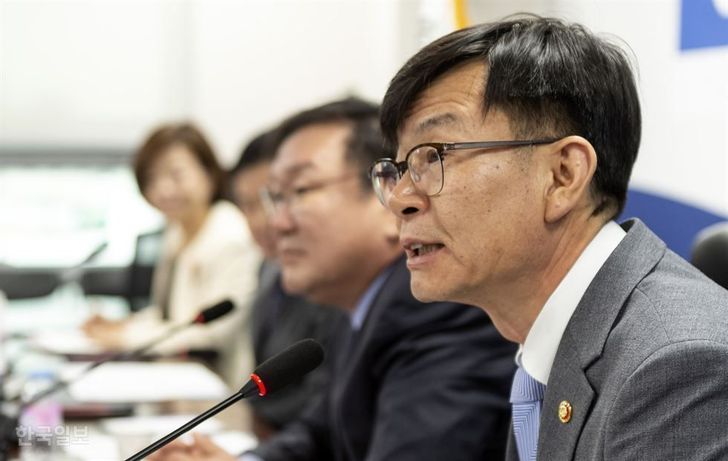
FTC Chairman Kim Sang-jo
By Yoon Ja-young
Fair Trade Commission (FTC) Chairman Kim Sang-jo vowed to continue reforming conglomerates, on top of rooting out power abuse over weaker competitors. However, he is facing criticism that the FTC has been negligent in promoting competition.
“I want to ask the conglomerate owner families to sell off their stakes in affiliates that aren't related with the group's core business,” he said at the meeting with reporters, Thursday, marking one year since his appointment.
He warned that the FTC would not tolerate conglomerates' unfair practices of supporting subsidiaries to fatten the wallets of the owner families who are their major shareholders.
“They evade the law in order to hand over managerial control to their juniors, on top of destroying the ecosystem of SMEs and small merchants. We will firmly execute laws to make sure such practices are not tolerated anymore.”
Dubbed “chaebol sniper” for his dedication to small shareholder activism to reform chaebol, the former professor was appointed as the control tower of the “fair economy," one of the key economic strategies of the Moon Jae-in administration along with income-led and innovative growth. Backed by the trust of President Moon, the iconic figure of reform greatly improved the status of the FTC.
He vowed to reform chaebol, setting up a bureau in charge of monitoring them. However, he faced criticism from both supporters and opponents. While there is criticism that too much pressure on chaebol is hindering their investment, NGOs are demanding he should speed up the pace of reform.
The chairman stressed that conglomerates should get rid of unfair practices such as foregoing written contracts for suppliers or forcing them to submit data related with their key technologies.
He also paid attention to sectors previously overlooked by the FTC, such as franchise and retail industries as well as small suppliers and sales agencies. For instance, the commission stopped a franchise headquarters' practice of forcing franchisees to purchase diverse items such as ingredients and utensils from headquarters at higher prices.
However, market watchers point out that the FTC has been relatively negligent in its core task of protecting competition in the market, such as getting rid of monopolies and the abuse of power by dominant players.
Kim said he is aware of such criticism.
“As the reform of power abusers and chaebols received relatively more attention, I am aware of the concern that the FTC has been inactive in its key role of promoting market competition.”
He said that he will focus on innovating regulation and executing a fair trade act for innovative growth and promotion of competition. He said the FTC will focus on sectors such as agricultural wholesale markets and apartment maintenance services, where monopolies are prevalent and consumer complaints have surged, to promote competition.