Samsung's arduous change pays off
By Kim Yoo-chul
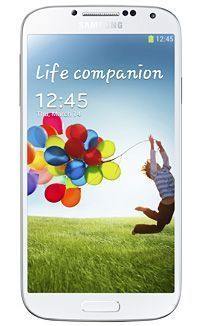
Galaxy S4

Samsung Electronics' main office in Seocho-dong, southern Seoul Courtesy of Samsung Electronics
Over the last decades, Samsung Electronics has been regarded as a “fast-follower” following leaders in technology businesses that the outfit is involved with.
As Samsung is still heavily dependent upon quite cyclical and more volatile component businesses, conventional thought was that Samsung isn’t positioned to produce “wow” products that can shake up the market.
Mentioning Samsung’s indisputable position ― top suppliers in memory chips and flat-screens ― Samsung was being treated as just a trusted parts supplier guaranteeing on-time delivery, better pricing and output commitment.
But those thoughts were too old-fashioned as the firm has been heading to transform itself as a corporate that can surprise the world by releasing striking digital devices, consistently.
“You should always have a sense of crisis. I urge you to run faster and always study to have insights. You should have a long vision. You shouldn’t be satisfied with achievements that you did in the past,” Samsung Chairman Lee Kun-hee recently said upon his arrival to South Korea after a three-month sojourn in Japan and Hawaii.
Since Samsung Electronics is being operated by systems and its employees have no objections to follow rules and goals set by bosses even though goals are bold and tough, the firm is getting better in terms of product innovation, quality and brand awareness, according to Samsung officials contacted by The Korea Times.
“Samsung is putting more focus on realizing innovation that is related to hardware technology and we are under way to boost our competitiveness in software and programming. With closer partnership with Google and some others, Samsung is learning know-hows how to better develop ‘wow’ items,” said an official at Samsung’s software center in Suwon, where the company’s technology compound is located, by telephone.
The official, who asked not to be identified as he wasn’t given the authorization to officially talk to the media, stressed its top management is feeling pressured to release highly competitive products that can satisfy various needs by consumers after his company broke into the “Top 10” best brands in the world last year.
“Sometimes, pressure is helping us. This is a good source of changes. That’s why Samsung has been increasing spending on non-hardware areas. It will take time. But we are on the right track,” said a senior programmer at Samsung in Suwon in a brief telephone interview, separately.
Samsung was the ninth based on global consultancy firm InterBrand’s 2012 list of the World’s Most Valuable Brands.
The ranking was determined based on the financial performance of the products or services, the role of the brand in the purchasing decision process of consumers and the brand’s strength, said the consultancy firm.
Considering that competition in the brand race spans all sectors worldwide, the latest ranking may not be easy as it appears.
“Samsung is coming out with innovative products and services and with our aggressive play in the market, we definitely have a fighting chance,” said an analyst Lee Seung-woo with IBK Securities.
Since late 2011, Samsung is the top smartphone manufacturer after passing over Apple.
Its latest Galaxy SIV smartphone had taken less than a month to pass 10 million sales markets and its other home appliances and digital devices were selling well via major distribution channels in the United States, Europe and other countries with warm responses from consumers.
New horizons
Samsung will launch its first technology foundation, which was aimed at supporting “basic technologies” with an investment of 1.5 trillion won by 2020, Samsung said.
Meanwhile, it will invest 170 billion won by 2017 from this year as a plan to offer software education to 50,000. From 2013 to that year, Samsung plans to hire a total of 10,000 software workforces, according to the company in a statement.
But Samsung officials say those are “small things” as the firm’s partnership with clients is entering a “new phase.”
Samsung’s top business partner Google is sharing its confidential data that is related to some of its futuristic projects with the company, which Samsung hadn’t dreamed of.
In one good example, Samsung Display ― Samsung’s display-making unit ― has agreed with Google to supply its fine-tuned OLED screens to the latter’s futuristic product, Google Glass, said Samsung officials.
And the company’s direct involvement in some major projects with Intel and others is helping the Korean tech heavyweight understand programming and development know-how.
“Samsung was just a component supplier and it was a reliable manufacturer to supply cheap appliances and televisions. But it’s been evolving thanks to cash that it earned from the firm’s parts-related businesses,” said Lee from IBK.
The company aims to get into the ranks of the “Top 5 Brands” by 2020 and Samsung is starting to establish its presence in the enterprise market with the plan of growing this business to account for about a quarter of its total revenue by 2020.
“Localize content and services are the top points according to our region-based strategies. This assures customers of the availability of products and service support for their Samsung devices. Adjust local product innovations to specific needs of every market is also the other hidden initiative,” said the Samsung engineer.