Samyang joins global consortium to promote Allulose in Europe
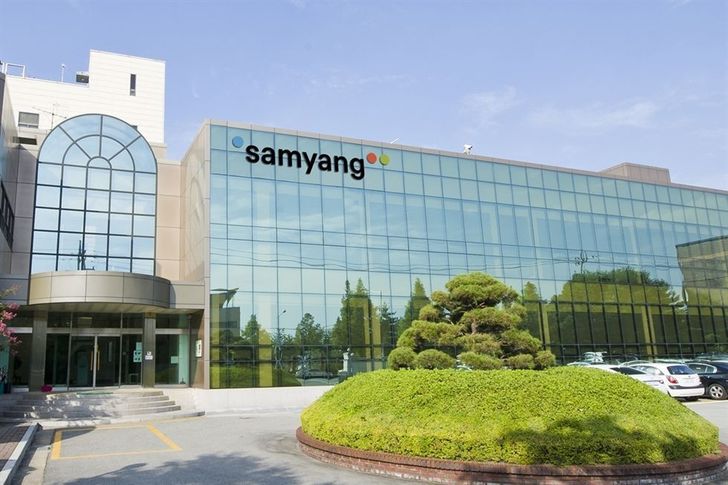
Samyang Corp.'s production facility in Daejeon / Courtesy of Samyang Corp.
By Kim Jae-heun
Samyang Corporation has joined hands with global food ingredient manufacturers to target the European food market.
The food firm said Monday that it had joined a global consortium to promote the licensing of Allulose in Europe. Allulose is a sweetener found in figs and grapes, which is often referred to as a next-generation sugar alternative because its sweetness is similar to sugar but it has zero calories.
Other global firms including Cosun Beet, Ingredion and Matsutani Chemical have also joined the consortium called the Allulose Novel Food Consortium (ANFC).
The consortium aims to facilitate the entry of Allulose into the EU and U.K. markets by submitting a joint application to the European Commission and the U.K. Food Standards Agency for approval of Allulose as a novel food ingredient.
The Novel Food Regulatory Framework is a system that recognizes the consumption and use in food of an ingredient after it undergoes a safety evaluation by the European Food Safety Administration (EFSA) when there is no previous history of consumption of the ingredient in Europe.
Currently, Allulose has been approved as a food ingredient in Korea, the United States, Japan and Mexico, while it is in the process of being licensed in other countries and regions.
Samyang Corp. logo / Courtesy of Samyang
Allulose is registered with the US Flavor Extract Manufacturers Association as a product used to add flavor to beverages and dairy products.
It is also on the US FDA's Generally Recognized as Safe list, making it suitable for use as a food ingredient. The ANFC plans to promote the exclusion of Allulose from sugar labeling within Europe after obtaining European approval.
Allulose is excluded from the list of sugars in the Korean and American markets, and demand for it continues to grow in line with an overall decrease in sugar consumption.
“We expect close cooperation with other global manufacturers to yield additional time and cost savings in terms of registering and obtaining approval for Allulose as a novel food,” a Samyang official said. “As EU approval will have a favorable impact on licensing with other international agencies, we will further accelerate Allulose's entry into the global market with the current European licensing serving as a stepping stone.”
Samyang succeeded in commercializing Allulose based on in-house technology in 2016. It is currently focusing on expanding the foundation for global market entry through international public relations campaigns as well as client and distribution partnerships.