Innovative, eco-friendly products spark consumer interest
By Kwak Yeon-soo
Companies are introducing a range of eye-catching, eco-friendly consumer products to take advantage of growing public concerns over plastic waste and other environmental pollutants, according to retail industry analysts Wednesday.
The increasingly hectic lifestyle here has also given a birth to easy-to-consume, health-oriented goods, bringing drastic changes to how and what people eat, they said.
In an effort to reduce plastic pollution, the Ministry of Environment banned single-use plastic bags at grocery stores and supermarkets starting April.
With the ongoing trend, a number of innovators are at the forefront of development to create new supplements and produce “zero waste” materials.
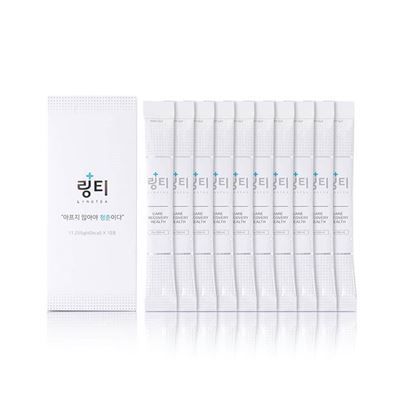
Lingtea, powdered IV / Courtesy of Lingtea
Korean startup Lingtea has developed a powdered supplement to replace intravenous (IV) fluid administration. The company, which was recognized by South Korean President Moon Jae-in in 2017, was founded by army doctors with the aim to help soldiers in need of fluids during harsh training.
An official at Lingtea explained that the powdered supplement is more efficient and cost-friendly compared to a conventional IV drip.
“If you drink 500 milliliters of water with a package of Lingtea, about 125 milliliters will remain in your bloodstream,” an official at Lingtea said.
When asked how it is different from sports drinks, the official said “Lingtea doesn't contain sugar, but has more electrolytes.”
“I recommend it for those who are suffering from chronic fatigue or a hangover,” a consumer said.

Biotrem's wheat bran plates / Courtesy of Biotrem
Shinsegae Group started selling wheat bran plates from Polish startup Biotrem in November last year.
Biotrem's wheat bran tableware offers an eco-friendly alternative to plastic plates and bowls. Bran is a byproduct of grain milling processes, which is typically turned into animal feed or treated as a semi-waste product, according to the company.
Biotrem's production process bakes it into edible plates and bowls suitable for use in ovens and microwaves.
“This is awesome, but 1,400 won ($1) for a single plate is quite expensive,” Biotrem user David Jang said.
The products can be purchased at Shinsegae Mall, SSG.com and Eleven Street.
“More and more consumers are showing interest in sustainability and putting emphasis on diverse trends,” a Shinsegae official said. “We decided to sell Biotrem plates to respond to such changing demand.”
CJ Cheiljedang also plans to launch a demonstration project to apply decomposable packaging to its products to pave the way for a world without plastics.
“Concerns about fine dust, air pollution and chemicals in the food supply are growing among Koreans,” Lee Seung-sin, a professor of the Department of Consumer Information Science at Konkuk University, said. “And since they can purchase virtually anything online, they want something a bit more unique and innovative.”