Korea becomes global seed developer
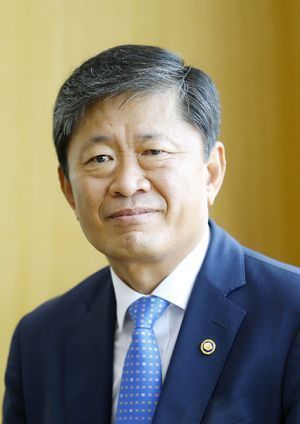
By Ra Seung-yong
Spitsbergen, a Norwegian island in the Svalbard archipelago in the Arctic Ocean, is widely known as one of the coldest areas on the planet. But it houses the Svalbard Global Seed Vault, a global long-term seed storage facility, established to prevent the extinction of rare seeds and to safeguard human food supplies after any natural disaster.
Today, the Svalbard Global Seed Vault has been dubbed the “Noah's ark,” which in the Bible is the ship that kept Noah, his family and animals safe during a worldwide flood.
The vault has been used in preserving the seeds of major food crops from countries around the world to save prototypes that would be impossible to restore once lost.
In 2008, South Korea deposited local varieties such as rice, barley and sesame, with around 13,000 accessions of 33 crops bred by the Rural Development Administration (RDA), in the Svalbard Global Seed Vault.
The vault puts seed boxes of the two Koreas side-by-side in the long-term storage room. This year marks the 10th anniversary of its opening.
South Korea is the fifth country that manages 320,000 accessions, including native and foreign ones. One hundred and five new varieties created from existing accessions are kept at the RDA's genetic bank.
Seeds have DNA that is coded to produce each fruit, with a specific taste, shape, color and scent. Crucial information during the lifespan of plants, such as data on the ability to endure a poor natural environment or to respond to diseases and pests, is decided at the seed stage. Hence, the dramatic survival story of a seed in storage is called “genetic information.”
The preservation of various native seeds is the best way to prepare for climate change, disease, pests and infectious diseases of the future. The native accessions could be considered the surviving varieties over thousands of years. Therefore, they may be utilized in variety development and also in food, medicinal products and new material development in the field of modern biotechnology.
It is broadly known that the “octagonal,” which originally grew in southern China, is used as an active ingredient in Tamiflu, the only new flu medication. This is a good example of one little genetic resource that could be used as a powerful antiviral medication.
Securing various genetic resources means taking an advantageous position in increasing competitiveness in the global seed industry. The industry, by stepping outside conventional breeding methods, has been growing as the center of the creative bio-based economy that converges cutting-edge technologies in medicine, bio-energy and the materials industry. Thus, the previous concept of “seed” that simply aims to produce food is now changing to become a source of high-technology products used in creating highly functional materials.
In this regard, the Korea Seed Expo 2018 will be held for four days, beginning Oct. 23, in the R&D complex for plant-breeding companies in Gimje, North Jeolla Province. It is Korea's only seed industry expo and it plays a bridgehead role in the exhibition and promotion of varieties for export and domestic consumption, as well as consultation on seed exports.
Expo events will include briefing sessions on technology and varieties, seminars, symposia and programs to promote the exchange of information among farmers and seed companies. Field demonstrations will allow participants to check the performance of varieties developed by domestic research institutes and seed companies.
The last expo led to commercial business deals worth 3.4 billion won, involving buyers from 11 countries including China and Japan, and created new jobs at 20 seed firms operating in the R&D complex.
The technology transfer in North Jeolla Province involving seeds has increased by 18 percent this year compared to last year, raising expectations for the local seed industry to make further progress.
Resource diplomacy is often compared to a “war without gunshots.” The conflict to seek hegemony within the seed industry will become more severe as people need to tackle food issues and secure new growth engines.
It is not an exaggeration to say, “The one who dominates seeds will rule the agriculture and food industries.”
Ra Seung-yong is the administrator of the Rural Development Administration.