Proposed diesel fuel tax hike to hurt SsangYong

The G4 Rexton
By Nam Hyun-woo
The government's move to impose heavier taxes on diesel fuel is expected to dampen carmakers' diesel vehicle sales, and SsangYong Motor will likely be hurt the most, industry analysts said Monday.
Heads of local municipalities are urging the central government to raise taxes on diesel so prices will account for more than 90 percent of the taxes for gasoline. This is to discourage diesel consumption among motorists and companies as part of the efforts to reduce fine dust.
When materialized, SsangYong will be hit the hardest, the analysts said.
According to Korea Automobile Manufacturers Association (KAMA), SsangYong sold 41,821 cars in the first five months of this year and 70.5 percent of them were diesel models, including the Korando, Korando Turisumo, Rexton, Rexton Sports and the Tivoli diesel model. The Tivoli 1.6-liter gasoline model was the only model with a gasoline engine they sold during the period.
Although many other automakers relied on diesel models for their sales hovering at 40 percent, SsangYong relied on diesel sales noticeably more, as the company currently has only SUVs or car-derived vans in its lineup with no eco-friendly vehicles.
Market insiders say this is why SsangYong will hurt the most. It lags behind its peers which are making efforts to diversify their fuel line-up.
“Given that many cars for commercial use still have diesel engines, we don't expect the government to adjust diesel prices by adding heavier taxes easily,” a SsangYong Motor official said. “However, if the government carries out a tax hike, we have to admit that it will hurt our profitability.”
He added that the company, however, has been developing new gasoline engines in order to diversify its diesel-studded lineup, with new 1.5-liter and 2.0-liter engines being scheduled to be ready soon.
Other automakers are also saying they are “confused” over the recent political move to raise diesel prices.
“What concerns automakers is uncertainty,” an official at a domestic automaker said. “So far, the car industry has been pouring a huge amount of money and efforts to meet the enhanced diesel standards, such as Euro 6, but a diesel price hike may make those efforts come to nothing.”
Along with scrapping a number of tax benefits and other advantages given to diesel car owners, politicians are proposing a diesel price hike, a tool that is expected to have the most immediate effect.
In a recent meeting with Minister of Environment Kim Eun-kyung, Seoul Mayor Park Won-soon, Gyeonggi Province Governor Lee Jae-myung and Incheon Mayor Park Nam-soon asked the central government to narrow the price gap between gasoline and diesel in order to cut diesel emissions.
Kim agreed with the necessity of such a policy and said the environment ministry will coordinate with other related ministries, including the Ministry of Strategy and Finance, which is in charge of taxes.
Korea has been keeping diesel prices far lower than gasoline prices, based on the recognition it is an industrial fuel and widely used by the self-employed. Currently, domestic diesel prices are set at around 85 percent of gasoline price, after raising it in 2005 from nearly 50 percent in the past.
The environment ministry is considering raising the level to 93 percent, which is the average of OECD member countries, by imposing a heavier tax.
“Despite the political move, we don't think the central government can touch diesel prices that easily because it will hurt self-employed truck operators and other commercial vehicles, and their resistance will be huge,” an official at a separate carmaker said.
“However, if there's an actual hike, we expect many passenger car customers will resort to gasoline engines, because gasoline engines nowadays have better fuel efficiency due to carmakers' trend of engine-downsizing. With no price competitiveness, there will be no benefits of driving a diesel-powered passenger car,” he said.
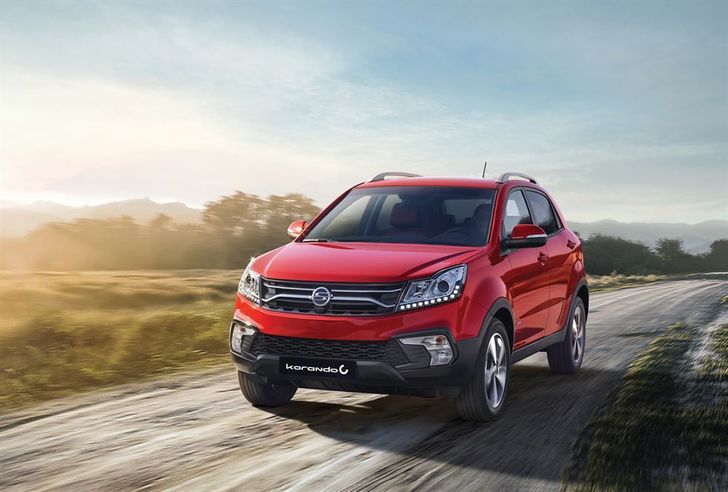
The Korando C