Malaysia, Singapore will benefit most from Korean railway model
By Kim Jae-kyoung
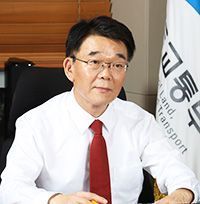
Kang Ho-in Land, Infrastructure and Transport Minister
SINGAPORE — Korea will be the most ideal partner for the Malaysia-Singapore high-speed railway project as the country is ahead of its rivals in technology, safety and technology transfer, a top government official said Sunday.
“The Malaysia-Singapore high-speed railway project is now a top priority for the Korean government,” said Land, Infrastructure and Transport Minister Kang Ho-in during an interview with The Korea Times in Singapore.
“President Park Geun-hye has a keen interest in the project. That’s why the government has taken the initiative to bag the contract and our consortium has been joined by various state and private enterprises.”
Kang was on a four-day visit to Singapore and Malaysia with a Korean delegation to pitch the country’s strengths before an international tender to be held early next year.
This is the first visit by a minister-level official for a construction project.
Korea’s move came a month before the two countries are expected to sign a memorandum of understanding to facilitate the project in July. The construction, estimated to cost between $12 billion and $14 billion, is scheduled to start in 2017 and be completed by 2022.
The minister stressed that in order to win the first high-speed railway project in Southeast Asia, Korea is willing to transfer key technology and knowhow for the 350-kilometer-long project linking Malaysia (335 km) and Singapore (15 km).
“Despite its short history, Korea’s high-speed railway system has a lot of strengths over rival countries. Korea is well known worldwide both for its safety and advanced technology,” Kang said.
“Unlike other countries, Korea is able to transfer key technology more easily because the public sector has secured most of the technology through state-led R&D,” he added.
Kang said that Korea’s model can be a choice most beneficial to the people of Malaysia and Singapore because it can provide the best services not only in construction but also in maintenance.
“In a high-speed railway project, maintenance is more important than construction. We have more than 10 years of experience in maintenance and currently manage our system better than any other country,” he said.
“In safety and efficiency, Korea is also ahead of its rivals, with the Korean system’s low rate of accidents and excellent record of on-time arrival ranking at the top.”
In his view, China has yet to catch up with Korea in safety and efficiency, while Japan has a limitation in technology transfer because their system is made up of private companies.
‘We are not behind’
Asked if he feels confident winning the contract, he said, “I don’t think we are neither late nor behind in the bidding just because we haven’t gained much media attention.”
“If we provide a full explanation regarding the strengths and benefits we can offer, chances are that we can win the deal.”
During his visit, Kang is having a series of meetings with top-ranking officials from the two Southeast Asian nations to promote Korea’s safety and maintenance records.
On Monday, he met Singapore’s Land Transport Authority Chairman Alan Chan and Josephine Teo, senior minister of the Prime Minister’s Office of Singapore, to discuss cooperation in the areas of the high-speed railways and intelligent transport systems
On Tuesday, he met Malaysian ranking officials, including Dr. Ali bin Hamsa, the chief secretary to the government; Land Public Transport Commission (SPAD) Chairman Tan Sri Syed Hamid Albar; and Transport Minister Liow Tiong Lai.
“We are interested in how the negotiations between Malaysia and Singapore are unfolding,” he said.
“Depending on details of their agreements, we will come up with our plan for the bid.”
In October, Korea formed a 25-member consortium led by the Korea Rail Network Authority. It consists of state enterprises such as the Korea Railroad Corporation and the Korea Railroad Research Institute, as well as private firms, including several builders and two major banks.
“The consortium will form a business network with local companies to carry out an on-site inspection and draw up a detailed technology transfer plan,” Kang said. “Also, we will come up with a financing plan to prepare a perfect bid.”
The minister said that the Malaysia-Singapore project is particularly important for Korea because it can pave the way for the country to lay the groundwork in the burgeoning Southeast Asian infrastructure market.
“A large-scale infrastructure market is opening in Asia due to China’s One Belt, One Road push following the founding of theAsian Infrastructure Investment Bank (AIIB),” Kang said.
“Given the market size of the domestic railway industry, winning the Malaysia-Singapore deal will provide impetus for the growth of the nation’s railway industry,” he added.