Home shopping industry under fire
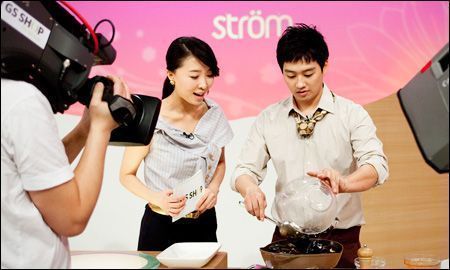
Home shopping companies here have come under fire after their merchandisers and program directors were accused of taking bribes and other illegal favors from products suppliers. / Korea Times file
By Park Si-soo
The country’s booming home shopping industry is under fire after nearly 30 merchandisers and program directors from major channels were indicted last week for taking massive bribes from suppliers in return for placing their products on primetime shows.
A second blow was delivered to the sector’s reputation last week with a tax evasion scandal involving the country’s fourth largest TV and online home shopping provider, Hyundai Hmall.
The National Tax Service slapped the company with a penalty of 54.2 billion won ($50.5 million) for miscalculating taxes associated with sales commissions as a tax cheat. The penalty is equivalent to 6.5 percent of the company’s 832.4 billion won in equity capital.
Hyundai plans to take the case to court, claiming that it used the same calculation method that ordinary department stores apply. But the tax agency countered that it should have adopted different tax standards because it sells goods on consignment. The dominant view is that the verdict will not be overturned.
“It was really embarrassing to see the industry embroiled in two unsavory scandals in one week,” said a merchandiser at a leading home shopping channel on condition of anonymity. “Following the bribery scandal, I’ve received a flurry of phone calls about it and my possible involvement. I have explained that I had nothing to do with it but it’s obvious that the incident has tarnished my reputation as well as other innocent employees.”
Internet sites were bombarded with comments lambasting the bribery scandal. A posting at the country’s largest portal Naver claimed industry insiders have long been aware of “foul practices and loopholes that can breed shady deals and temptation. But they had done little to rein in corruption until the prosecution took action.”
Another insider said increased power of home shopping in the retail market has made merchandisers and other decision-making program directors more vulnerable to corruption, adding a second and third corruption scandal will hit the industry unless it employs tougher methods of scrutiny.
The combined sales of TV and online shopping companies are expected to exceed that of offline retail stores for the first time next year, according to a research institute affiliated with retail giant Shinsegae. The institute projects that combined sales of TV and Internet shopping companies will reach 37.6 trillion won, while that of offline retailers will stand at 37.3 trillion won.
The nation’s largest TV home shopping company GS Home Shopping traded products worth 2.54 trillion won last year. The second largest CJ O Shopping, affiliated with food and entertainment giant CJ Group, sold goods worth 2.5 trillion, followed by Lotte Home Shopping at 2.45 trillion won and Hyundai Home Shopping at 2.32 trillion won.
The volume they trade has increased at a dramatic rate so that the government is now begging them to increase the portion of goods from small- and medium-sized companies appearing on their shows. Major home shopping channel operators have also rushed to enter other Asian nations to find new revenue sources because the local market has neared saturation point.