Hanwha gets conditional approval for acquiring DSME

Daewoo Shipbuilding & Marine Engineering's shipyard on Geoje Island in South Gyeongsang Province / Yonhap
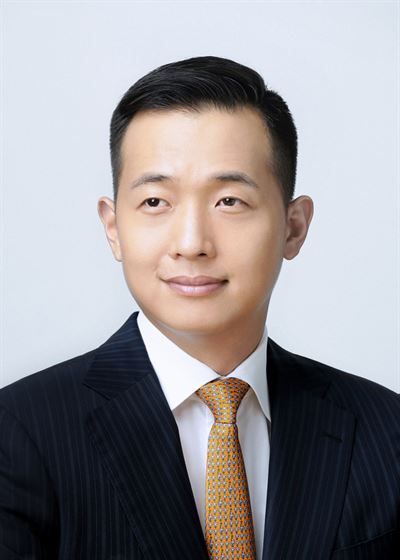
Hanwha Group Vice Chairman Kim Dong-kwan / Courtesy of Hanwha Group
Antitrust regulator bans unfair competition in warship market
By Park Jae-hyuk
The Fair Trade Commission (FTC) granted only conditional approval on Thursday for Hanwha Group's acquisition of Daewoo Shipbuilding & Marine Engineering (DSME), accepting the demands from the shipbuilder's rivals to ban the conglomerate from unfairly excluding other companies from the local warship market.
Given that antitrust regulators of other countries had already given their approval for the acquisition deal, Hanwha ― which has manufactured arms for military forces, as well as components for warships ― hurdled over a major barrier to its ambitious goal of becoming the Korean version of Lockheed Martin.
The FTC decided to prohibit Hanwha from supplying equipment for warships over the next three years to DSME's rivals at higher prices.
The conglomerate will also be required to provide technical data on its equipment for warships if requested by its rivals via the Defense Acquisition Program Administration. In addition, Hanwha will not be able to provide its affiliates with trade secrets acquired from its rivals.
“This is the first time for us to impose corrective measures against a merger of companies in the defense industry,” FTC Chairman Han Ki-jung said. “We will decide whether or not to extend the three-year measures, depending on market conditions and regulatory reforms.”
In response to criticism of its belated decision, the FTC explained that it had to take into account the fact that both Hanwha and DSME occupy large shares in the nation's defense industry. Hanwha is the leading player in Korea's warship components market. DSME's share in the local submarine market exceeds 97 percent.
Although Hanwha dismissed concerns over a possible monopoly in the warship market, it has decided to accept the FTC's conditional approval.
“Despite a bottleneck in management caused by the conditional approval, we decided to accept the authority's decision from a broader viewpoint, in order to normalize DSME as soon as possible and to enhance Korea's competitiveness by nurturing the key industry,” the company said.
DSME's regulatory filing showed that it suffered a 1.6 trillion won ($1.2 billion) operating loss last year. In 2021, its operating loss was 1.7 trillion won. Its debt-to-equity ratio reached 1,542.4 percent as of the end of last year.
To normalize the debt-ridden company, Hanwha is expected to task Hanwha Corp. President of Support Division Kwon Hyuk-ung with leading DSME, which will be renamed Hanwha Ocean.
Hanwha Impact, which signed a memorandum of understanding in February to acquire a 33 percent stake in HSD Engine for 226.9 billion won, also seems to be accelerating its efforts to complete the procedure to take over the manufacturer of engines for ships.
Shipbuilding industry officials welcomed the FTC's decision, expecting an increase in orders now that the conflict is resolved. Under the control of Korea Development Bank (KDB), its current owner, DSME has been offering lower prices, as it needed to win more shipbuilding orders to justify its use of taxpayers' money.
“We expect the normalization of the domestic shipbuilding market, and we hope the nation's shipbuilding industry takes a leap forward through fair competition,” an HD Hyundai Heavy Industries official said.
HD Hyundai's union, which had called for conditional approval for Hanwha's acquisition of DSME from KDB, also welcomed the FTC's decision, asking the authorities to keep monitoring whether Hanwha complies with the corrective measures.