New rules of e-commerce: Live-streaming in the spotlight

To grow e-commerce sales, Mogu introduced a new live-streaming sales service. Courtesy of Mogu
By Victoria Kim
The spread of smartphones has had a profound effect on the way we shop.
The traditional internet is now turning into a mobile shopping environment available anytime and anywhere. Accordingly, consumers have easy access to various shopping-related content and product information, and the development of video content has brought new forms of consumption.
As the number of people who consume video content or enjoy shopping with smartphones increases, mobile shopping platforms that communicate with sellers and allow the purchase products in real time are emerging.
Live commerce is a combination of real-time video streaming and shopping services, which refers to a service where consumers buy products in real time while watching videos of product sales on their mobiles.
As mobile becomes the centerpiece of shopping, consumers can easily enjoy shopping anytime, anywhere, preferring video content-type information containing comprehensive details rather than viewing a large amount of text and image information on a small mobile screen. As consumers are becoming accustomed to mobile-based video content, companies are making the fully fledged transition to “live.”
In China, major e-commerce platforms like “Taobao” are offering live commerce services that combine video content and e-commerce. In particular, SNS influencers such as Wang Hong achieved 10 billion won in sales a day through the service.
More than 200 platforms are available and sales reached $4.4 billion in 2018 ― 32 percent year-on-year growth ― with 456 million viewers, according to a Deloitte report.
There still has not been a truly successful platform in Japan, but the biggest flea market app “Mercari” and the famous video-on-demand (VOD) company?Rakuten?have launched a?live?video-streaming function on their service.
Domestically, various platforms such as Timon's “TVON”, “Grip”, and “Ready Q” are established and sellers, such as famous influencers, show hosts, real estate agents and small and medium enterprises (SMEs), communicate with viewers through live chat to sell products.
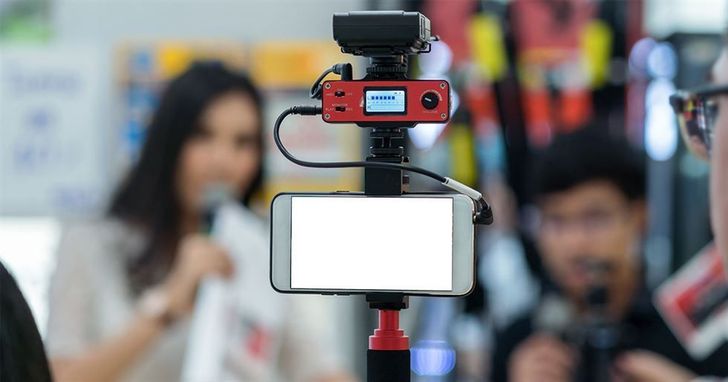
Rizap announced that it will enter the live-streaming commerce business, which sells products while distributing live video, through the Mercari channel in Japan. Courtesy of Rizap
Why is live-streaming commerce seen as the new retail future with enormous potential to become the global norm?
First, we can find a clue from the changed forms of consumption and consumer lifestyle. In other words, consumers are evolving into content-driven shoppers who find the fun of online shopping stimulates their desire rather than the lowest-price search engine.
In the future, a mixture of emotional-centered data will replace information-centric functions. For example, e-commerce users used to search for the best deal or lowest price after reading the detailed description focusing on the product's functions. However, contemporary consumers are accustomed to dynamic cultural content that is unique, targeted, realistic and specific.
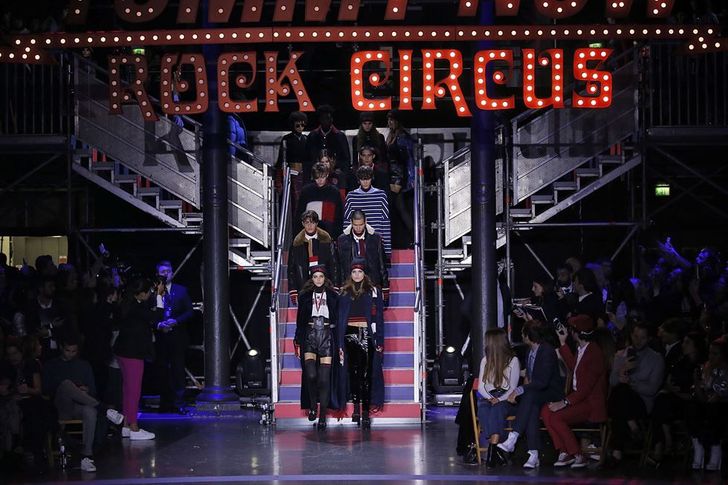
Tommy Hilfiger's “see now, buy now” live-streaming 2018 spring/summer collection. Courtesy of Interfashion Planning
Second, “see now, buy now” has made consumers more engaged with industry information. For example, what is on the fashion runway now, people can order while watching the live show, thanks to social media. High-end brands are also getting on board and showing significant sales increases.
Therefore, the fashion retail system is rewiring the supply chain development stage.
The largest online retailer Amazon launched a live-streaming service on brand stores recently. It is expected to be the alternative to omnichannel and social commerce. It seems that we need to learn how to use these new technology trends properly to enhance consumers' experience.
Victoria Kim is the adjunct professor of the Department of Fashion Business Management at the Fashion Institute of Technology (F.I.T), SUNY Korea. She has over 10 years' experience in fashion consultancy and how fashion brands intersect with global retail trends and innovation. Her research interests are fashion retail trends and global business management based on contemporary consumer lifestyle change.