Korean literature
By Choe Chong-dae
The 2019 Literary Symposium titled “Korean Literature and Nobel Prize: Relevant Issues” was held at the Korea Press Center in Seoul, hosted by the International Writers Association of Korea, Nov. 26.
Many guests such as poets, writers, scholars and literary enthusiasts attended, including Dr. Choi Chong-ko, professor emeritus of Seoul National University and chairman of the Pearl S. Buck Research Institute in Korea. At the symposium there were heated discussions focusing on issues related to the overall project of internationalization of Korean literature. It raised awareness of the significance of translation.
Many people in the world covet attending the Nobel Prize Award Ceremony at the Concert Hall and the Banquet at City Hall in Stockholm, as well as the Peace Prize in Oslo, Norway every Dec. 10.
I have come to know that Alfred Nobel was a lifelong enthusiast of poetry. Nobel created some poems echoing romantic idealism, being inspired by great romantic poets such as William Wordsworth, Percy B. Shelley and Lord Byron. The poem "You Say I Am a Riddle” was written by Nobel at age 18 while in Paris in 1851. It is dedicated to a young girlfriend who died of consumption, describing his tragic love for her:
“You say I am a riddle - it may be.
For all of us are riddles unexplained. Begun in pain, in deeper torture ended,
This breathing clay what business has it here?”
In the wake of literary globalization, some remarkable Korean literary works have been translated and published into English and other languages. However, the international literary community, including Sweden, are unfamiliar with these works. Regrettably, only a limited number of Korean authors, with their literary works, are represented and recognized in literary circles outside Korea.
For Korean literary works and writers to gain universal recognition, it is absolutely imperative that various works by the same author be sophisticatedly translated into English, as well as Swedish and other languages, in a convincing literary style. It should attract an ardent readership at home and abroad over a considerable period of time. It is also necessary for Korean authors to develop good friendships with writers and critics overseas, including Sweden, to share global literary perspectives with them.
Accordingly, we need more practiced and talented translators of Korean literature, whose intuitive knowledge and skills are good enough to appeal to more universal sensibilities. They should have erudite knowledge of Korean culture, history, customs, language, literature and religion, understanding the author's personality and emotions in order to enhance the world's perception of Korean literature.
While Korea has achieved sensational popularity worldwide through K-Pop and IT, Korean studies and literature have not enjoyed the same level of interest abroad. Korea has not yet produced a successful laureate because the literary works fail to appeal globally, mainly due to the lack of worthy translations.
The members of the Swedish Academy and international literary circles are not well aware of Korean literary works and authors, while they are easily inspired by other literary works that have been written or translated into English, or other European languages. Korea's prominent writers should produce creative literary works depicting Korea's distinctive identity to aesthetically appeal to readers at home, and with remarkable translation, appeal to readers abroad.
My brother Dr. Choe Chong-pil, chairman of Cultural Foundation of National Museum of Korea, and I have been honored with an invitation to the welcoming dinner for Stefan Lofven, Prime Minister of Sweden hosted by President Moon Jae-in at Cheong Wa Dae on the evening of Dec. 18. It is my wish that the Swedish prime minister's state visit to Korea would enhance bilateral ties between Korea and Sweden, and help produce Nobel Prize laureates in literature as well as economics and science.
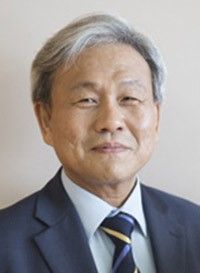
Choe Chong-dae (choecd@naver.com) is a guest columnist of The Korea Times. He is president of Dae-kwang International, and director of the Korean-Swedish Association.