'Bojagi' connection

Turkish bohca (wrapping cloth) will be displayed at a special exhibition along with Korean “bojagi” from June 12 to July 27 at the State Art and Sculpture Museum in Ankara. / Courtesy of Museum of Korean Embroidery
‘Blood brothers’ — Korea, Turkey — share similar wrapping cloth culture
By Chung Ah-young
“Blood brothers” might be the most often used term to describe the relations between Korea and Turkey as some 15,000 Turkish troops were sent to Korea during the 1950-53 Korean War. The two nations have a special attachment to each other for this historical reason.
Also they share a cultural tradition of wrapping cloths which are called “bojagi” in Korea and “bohca” in Turkey.
The two nations recently discovered that they have a similar culture of cloth wrapping through an exhibition of bojagi in Seoul last year where the Turkish Ambassador found bojagi similar to the Turkish bohca.
To commemorate the year of cultural exchange between the two and develop the cultural ties through cloth wrapping, a special exhibition titled “The Encounter of Bohca and Bojagi” comparing the wrapping cloths from Korea and Turkey will be held from June 12 to July 27 at the State Art and Sculpture Museum in Ankara.
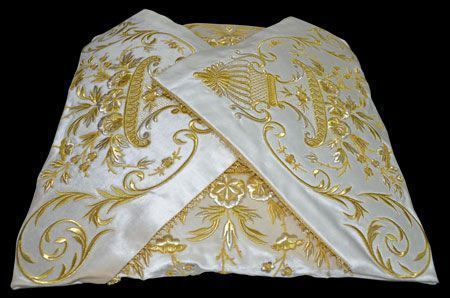
Turkish bohca (wrapping cloth) adorned with embroidery.
“We did not known Turkey had a cloth wrapping culture similar to Korea because the bojagi tradition remains in just a few nations such as Korea and Japan. We were surprised at the similarity between bojagi and bohca in many ways,” Huh Dong-hwa, director of the Museum of Korean Embroidery and a fabric collage artist, said.
A total of 44 Korean bojagi and 20 Turkish traditional bohca including eight pieces recreated in modern times will be displayed during the exhibition.
“I have hosted numerous overseas exhibitions but this is the first of its kind to be held in Turkey to compare the two cloth wrapping cultures. It will be a landmark exhibition to boost cultural exchanges,” he said.
Bojagi and bohca have the same usage as gift covers on special occasions such as a wedding or engagement ceremonies. Also they are similar in shape and material. Bohca is a square cloth made from silk, satin, cotton or velvet adorned with colorful embroidery using gold and silver threads, while bojagi is usually decorated with embroidery, patchwork, printed, painted or gilded. In Korea, “jogakbo,” or patchwork bojagi, were widely manufactured by using left over scraps of colorful fabric.
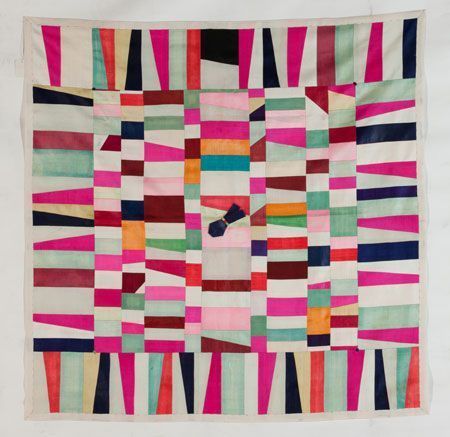
Korean bojagi, right, will be compared at the joint exhibition from June 12 to July 27 at the State Art and Sculpture Museum in Ankara, Turkey. / Courtesy of Museum of Korean Embroidery
The museum said that bohca has a special meaning in Turkey’s rich culture as it is believed to have originated in the 11th century for wrapping purpose. In ancient times, it was used to wrap costumes or objects to be carried or stored in drawers or chests. Also, it was used to cover the bride’s trousseau during its transfer to the groom or groom’s family when they married. Turkey has kept such a tradition until today albeit on rare occasions.
“The pronunciation is also similar between bojagi and bohca. I don’t know whether there was a cultural exchange in the past due to the lack of research in the Turkish one. We just assume that the two nations have historical similarity for a long time. Maybe the two nations developed the similar culture in a different way,” he said.
The 88-year-old director said that there has little research on bohca traditions in Turkey. “The Turkish counterpart hopes this exhibition will offer academic clue for Turkey to shed light on the bohca culture which has been almost unnoticed. Turkey is now beginning to appreciate the historical value of bohca. Maybe our research and exhibition materials on cloth wrapping culture will be helpful for further research on Turkish wrapping cloths,” he said.
Huh has collected some 3,000 traditional embroidery works such as folding screens, bojagi and blinds since 1971. Just 30 years ago Koreans didn’t appreciate bojagi as traditional craftwork as they are not widely used today, he said.
Also, the two nations share the views that wrapping cloths are eco-friendly items as currently numerous disposable shopping bags or gift covers are widely used. “The cloth wrapping culture is not only historically valuable in both countries but also meaningful in protecting the environment for the recycling purpose. Also we hope this will lead to an environment campaign of using bojagi worldwide,” he said.
The exhibition is organized by the Korean Cultural Center in Turkey, the Museum of Korean Embroidery, the Turkish Ministry of Culture and Tourism and Ankara Olgunlasma Institute.
Some 30 of Huh’s art works using fabric will also be exhibited at the Korean Cultural Center in Ankara from June 13 to July 27.
The Museum of Korean Embroidery opened in 1976. Huh is an ardent collector and artist using fabric collages and paintings inspired by his Korean traditional patchwork or jogakbo.