Royce, Honda - friends of Korea

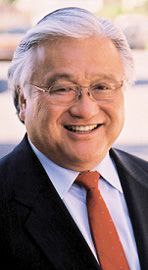
U.S. Rep. Ed Royce
By Kim Tae-gyu
On Jan. 31, a powerful U.S. congressman made an unprecedented visit in Glendale, California to a memorial statue for Korean women forced into sexual slavery by Japan during World War II.
After paying his respects at the bronze statue built last year, Rep. Ed Royce knelt before a portrait of Hwang Geum-ja, who was forced into sexual slavery by the Japanese military in the 1930s. The former sex slave, or “comfort woman,” a euphemism used to refer to those who suffered such degradation, passed away late last month at the age of 90.
Royce, who is Chairman of the House Committee on Foreign Affairs, has been praised by pundits for being brave enough to publicly criticize Japanese leaders who make provocative remarks and visit public shrines that gloss over or ignore Japan’s war crimes.
Royce is scheduled to visit Korea on Monday and attend meetings with President Park Geun-hye and Foreign Minister Yun Byung-se being.
Royce said that it is significant to speak out for peace, human rights and history while pressing the Japanese government not to shun its responsibility over the “comfort women” issue.
The lawmaker also rapped Japanese Prime Minister Shinzo Abe when the ultra right-wing chief executive visited the Yasukuni Shrine, which honors 14 Class-A war criminals, last December.
Royce is not alone in the United States in his criticism of Japan’s past misdeeds against humanity ― senior congressman Mike Honda has also been vocal about the “comfort women” issue.
Earlier this week, the Japanese-American politician requested that Secretary of State John Kerry care more about this “important matter” in a letter to Kerry.
Honda was also behind a document attached to the 2014 U.S. budget bill, which urged the secretary of state to encourage Tokyo to address the issue of Japan’s sexual enslavement of Korean and other Asian women.
Although it is nonbinding, it marked the first time that the sex slave topic was included in a piece of U.S. legislation. The bill was signed by U.S. President Barack Obama.
Additionally, Honda tabled a 2007 resolution that obliges Japan to acknowledge, apologize and accept historical responsibility for the “comfort women” and educate current and future generations about “this horrible crime.”
Observers point out that Honda’s initiatives are valuable, particularly in consideration of his Japanese roots.
“The Japanese community is much more powerful than the Korean one in the U.S. But some lawmakers are courageous enough not to give in to the temptation to represent the Japanese views,” said Prof. Shin Yul at Myongji University.
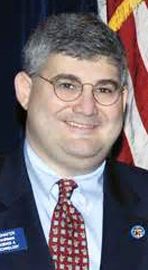
Sen. David Shafer of the Republican Party is also known to be friendly to Koreans ― he came up with a resolution in which the U.S. state of Georgia will identify the body of water between Korea and Japan as the “East Sea,” as well as the “Sea of Japan.”
The Georgia legislature unanimously passed the resolution last month, just after the Virginia Senate took a similar step.
Branding the Sea of Japan label as a remnant of Japan’s brutal colonial rule of the Korean Peninsula (1910-45), Koreans continue to campaign for the use of the “East Sea”.