47th Korea Times Translation Awards 2016 Judges' Report

By Brother Anthony, Jung Ha-yun and Min Eun-kyung
.jpg)
Brother Anthony, professor emeritus at Sogang University

Jung Ha-yun, professor at Ewha Womans University
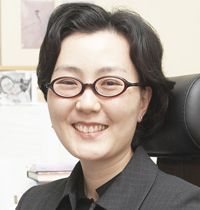
Min Eun-kyung, professor at Seoul National University
Literary translation is a process of endless negotiations between the foreign and the familiar. The process requires interpretive transfers that are not limited to issues of language but of culture, aesthetics and theme.
A good translation should sound natural in the target language but not to the point of sounding clichéd, especially if the source text is making attempts to use language in a way that is fresh and captivating, as is the case with all good writing. The same goes for the cultural, aesthetic and thematic elements in a work of literature. We expect a good translation to interpret these elements to the readers in a way that is as specific and as universal as has been intended in the source text.
In judging the entries for this year’s Modern Literature Translation Award, as in other years, we looked forward to discovering at least one translation that reflected this difficult negotiation process, even if not fully succeeding in it. This is a contest for newcomers, after all, and we look for brave new talent willing to step onto untested paths, not highly accomplished translators who have already honed their negotiation skills and reached a comfortable point of compromise.
Among the poetry entries, it was disappointing to find no works that satisfied. In most cases, the English was not strong enough to render the lyricism of the original poems, which resulted in very basic, literal translations of verse.
In the fiction category, three entries made the shortlists of all three judges: “Denture,” translated from a story by Choi Jeong-hwa; “Where No One Had Ever Been” by Hwang Jung-eun; and “Oppa Came Back” by Kim Young-ha.
Singling out a Grand Prize winner among the three entries, however, proved very difficult. A good translation must, first and foremost, stand on its own. “Denture” and “Where No One Had Ever Been” were both faithful translations and the writing was certainly readable, but in the end, the translations did not deliver to the readers the distinctive voices of these two young writers. It is important that a translation be faithful to the original, but not in an over-literal way. Accuracy for the sake of accuracy can often lead to aesthetic infidelity in literary translation.
“Oppa Came Back,” on the other hand, definitely had literary flair. The translation rendered the first-person voice of a teen-age girl in a way that made it come very much alive in English. The manuscript came closer to being publishable than the two other entries. However, in the process of re-creating this voice in colloquial English, much of the texture of the original story was compromised. Stories are intricate structures of imagery and detail, which are interlinked to create an accumulative thematic effect, and they must therefore be treated with great care in the course of translation. Other elements of narrative craft were also compromised, including paragraph breaks and direct/indirect discourse. Such alterations clearly contributed to making the translation linguistically, culturally and aesthetically familiar to readers of English, but in the end, compromised to an excessive degree the distinctive identity of the original work.
So we arrived at the difficult decision of awarding three commendations this year without a Grand Prize winner. The judges agreed that given that there is no satisfying entry that stands out above the others in terms of both accuracy and readability, we would prefer to be demanding rather than over-indulgent.
We greatly appreciate what the three translators or translation teams accomplished and encourage them to continue their pursuit in the difficult negotiation between the foreign and the familiar.