Lookout: regulatory changes in 2019

Starting April 2019, speed limits on Seoul arterial thoroughfares are reduced from 60 kilometers an hour to 50. The banner, posted by the Seoul Metropolitan Police Agency, reads the speed limit on a Jongro Road section between Sejong-daero and Dongdaemun is lowered to 50 kilometers an hour. Korea Times file
By Ko Dong-hwan
The Korean government's regulatory changes in 2019 include those deeply involving people's daily lives ― from the minimum wage to traffic bylaws, airport luggage and automobile refund policies. The Korea Times has selected 10 things to look out for in the New Year.
1. Minimum wage
The new hourly minimum wage starting January 2019 is 8,350 won ($7.50), up 820 won from the previous year. The figure has drawn a division in opinions from lawmakers and analysts, some of whom demanded the Ministry of Employment and Labor to revise the figure. The ministry vetoed such a move.
2. Plastic bags banned
Supermarkets from medium- to mega-size are banned from providing customers with plastic bags. The change affects about 2,000 large food-marts and 11,000 smaller retailers. Infringement will bring a fine up to 3 million won, encouraging consumers to use personal shopping bags or paper bags.
3. Seoul speed limit lowered
The speed limit in Seoul's central core region marked by the city's “Four Great Gates” heritage is reduced from 60 kilometers an hour to 50 along arterial thoroughfares and 30 on side streets. The safety measure takes effect in April, with warning signs until March.
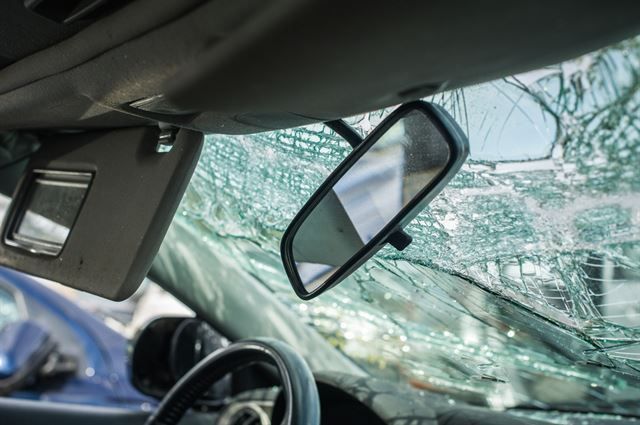
National police's grip on driving under alcoholic influence will be tighter, as the minimum blood alcohol level will be lowered from 0.05 to 0.03 percent in June 2019. GETTYIMAGEBANK
4. DUI under harsher control
The minimum blood alcohol level will be lowered from 0.05 to 0.03 percent, starting June 25. The revised traffic law is the eponymous “Yoon Chang-ho Law,” named after a 22-year-old Korean Augmentation Troops to the United States Army soldier killed by a drunk driver in Busan in September while on leave for the Chuseok holiday.
5. English version driver's license
Those who wish can have their driver's licenses printed in English on the back to be used overseas where a Korean driver's license is valid. The National Police Commission passed the regulation in June this year, and will take effect within the first half of 2019.
6. Elderly drivers on tighter watch
Starting Jan. 1, drivers aged 75 or older must renew their license every three years instead of five. The measure requires elderly drivers to take tests to see if they are fit to keep driving.
7. Children drop-off sign mandatory
It will be mandatory for school buses and other vehicles dropping off children after educational classes to have a properly-operating system that informs drivers whether all children have got off the bus. The revised traffic law, to take effect in April, is to make sure that no child is left in an empty bus.
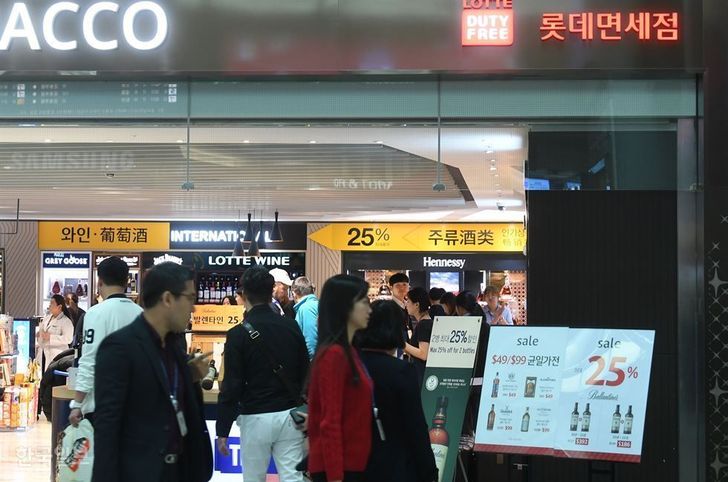
Lotte Duty Free shop at Terminal 1 of the Incheon International Airport. The airport will introduce duty-free shops at the arrivals hall starting June to improve passengers' shopping experience at the venue. Korea Times file
8. Duty-free for airport arrivals
Starting in June, duty-free shops for airport arrivals will be open to sell limited items ― excluding cigarettes and other products that must pass through customs. The measure is aimed at encouraging travelers to shop with more ease after landing instead of pre-departure.
9. Luggage delivery
In a trial starting in March, airlines will pick up travelers' luggage straight from hotels and send it to airports at their destinations. Passengers on low-cost-carrier Jeju Air leaving from Incheon International Airport will be the first to benefit.
10. Automobile exchange/refunds
The grounds for automobile exchange or refunds will become broader. Within one year of purchase, drivers whose cars suffer minor faults four times or more from the same cause, serious faults three times, or whose cars spend more than 30 accumulated days having faults repaired can request an exchange or a refund.